High quality of education

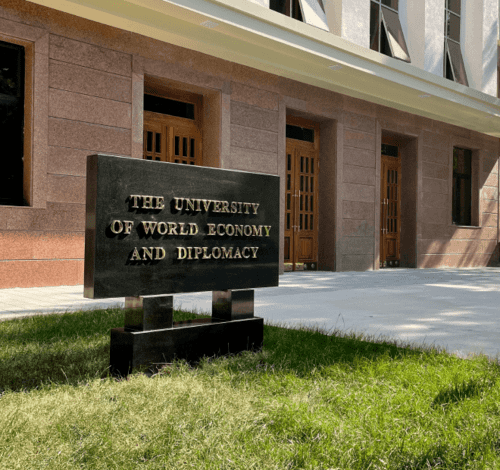
The University of World Economy and Diplomacy

Learn more

Career starts here

The most prestigious university of Uzbekistan

Learn more

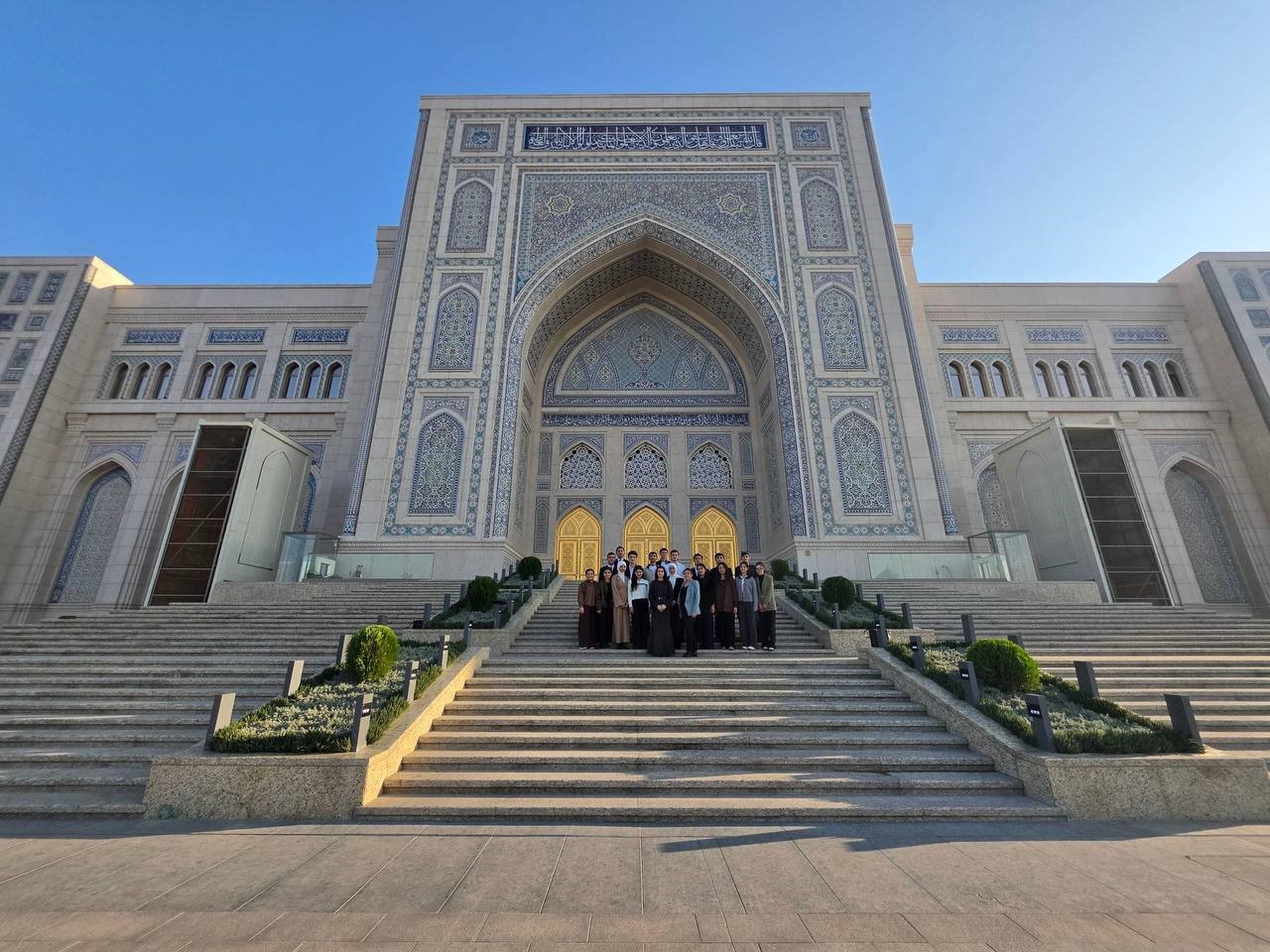
The Place That Brings Students Together

UWED Students' Council

Learn more

Undergraduate

Autumn semester for undergraduate

More

Master's degree

A one-year master's program

More

"Smart University"

From 2023, the activities of the University of World Economy and Diplomacy will be transformed

More
Bachelorʼs Degree

Bachelorʼs Degree

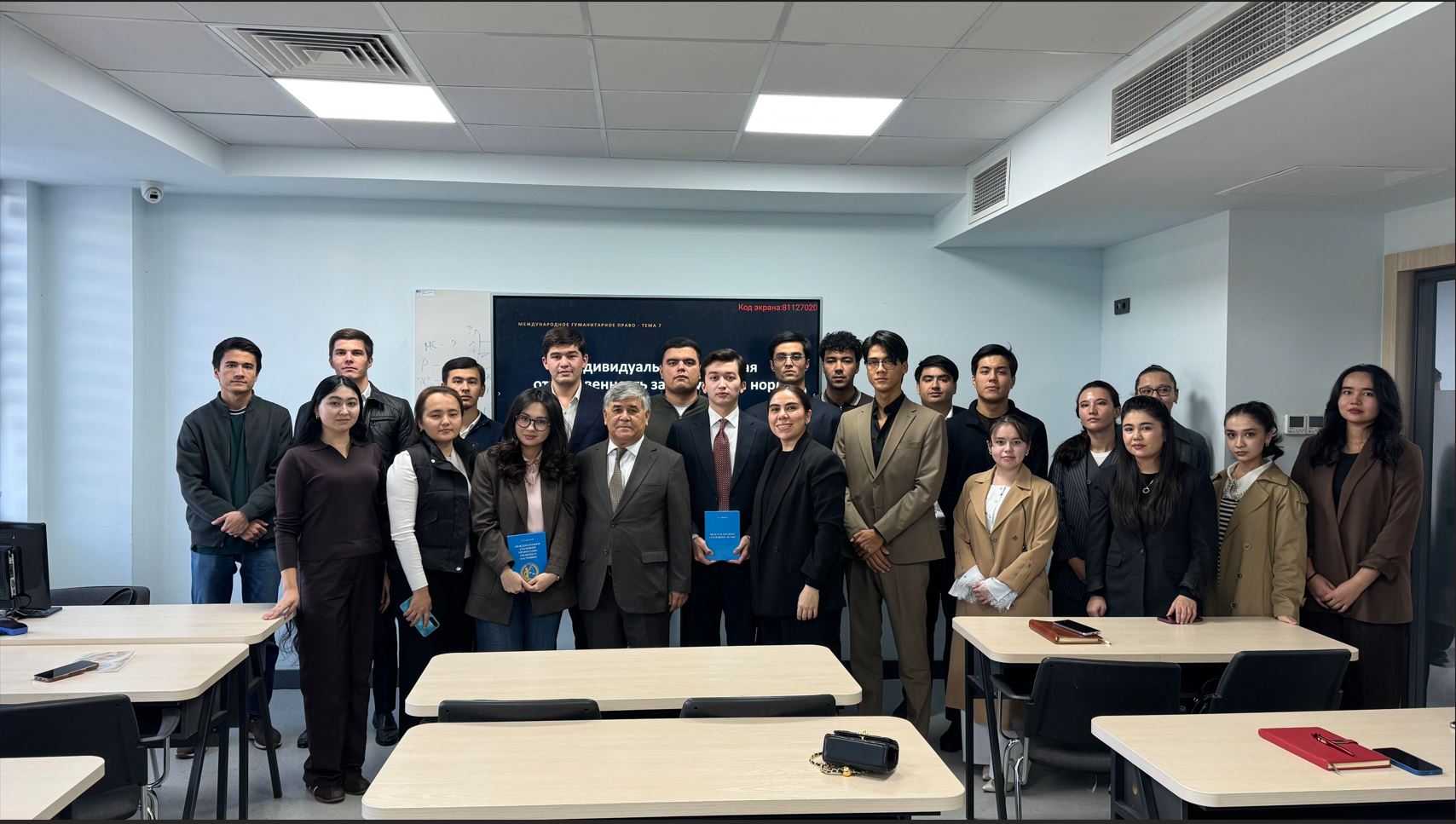
The University of World Economy and Diplomacy offers undergraduate programs in a variety of fields, including: International Relations,  Political Science, International Economics and Management Jurisprudence. UWED's bachelor's degree programs are designed to provide students with the knowledge and skills they need to succeed in a globalized world. The programs are taught by a team of experienced faculty members, many of whom have held high-level positions in government and business. UWED also offers a variety of extracurricular activities and opportunities for students to gain hands-on experience in their field of study. One of the most popular bachelor's degree programs at UWED is the International Economics and Management program. This program provides students with a strong foundation in economics, international trade, and finance. Students also learn about the political and legal environment of international business. Another popular bachelor's degree program at UWED is the International Relations program. This program provides students with a comprehensive understanding of international relations, foreign policy, and diplomacy. Students also learn about the history and culture of different countries.  UWED also offers bachelor's degree programs in Political Science and Jurisprudence. These programs are designed to prepare students for careers in government, law, business, and other fields. Here are some of the benefits of earning a bachelor's degree from UWED: A strong academic foundation in your chosen field Exposure to a diverse range of cultures and perspectives The opportunity to network with other students and professionals from around the world The chance to gain hands-on experience through internships and other extracurricular activities A competitive edge in the job market If you are looking for a challenging and rewarding educational experience, UWED is the perfect place for you. With its world-class faculty, state-of-the-art facilities, and diverse student body, UWED is committed to providing its students with the knowledge and skills they need to succeed in today's globalized world. Interview for blind applicants for undergraduate studies for the 2025-2026 academic year.
More

Study at UWED

The University of World Economy and Diplomacy was established on September 23, 1992. It is functioning under the Ministry of Foreign Affairs of the Republic of Uzbekistan.

It is a higher educational institution that provides training, retraining and advanced training for specialists and academic staff as well as conducts high-level fundamental and applied research in the following areas:

  • International Economics and Management;
  • International Relations and Political Science;
  • International Public and Private Law;
  • Jurisprudence.
More
Study at UWED

News & Events

All news
UWED Rector Speaks at the Munich Security Conference

UWED Rector Speaks at the Munich Security Conference

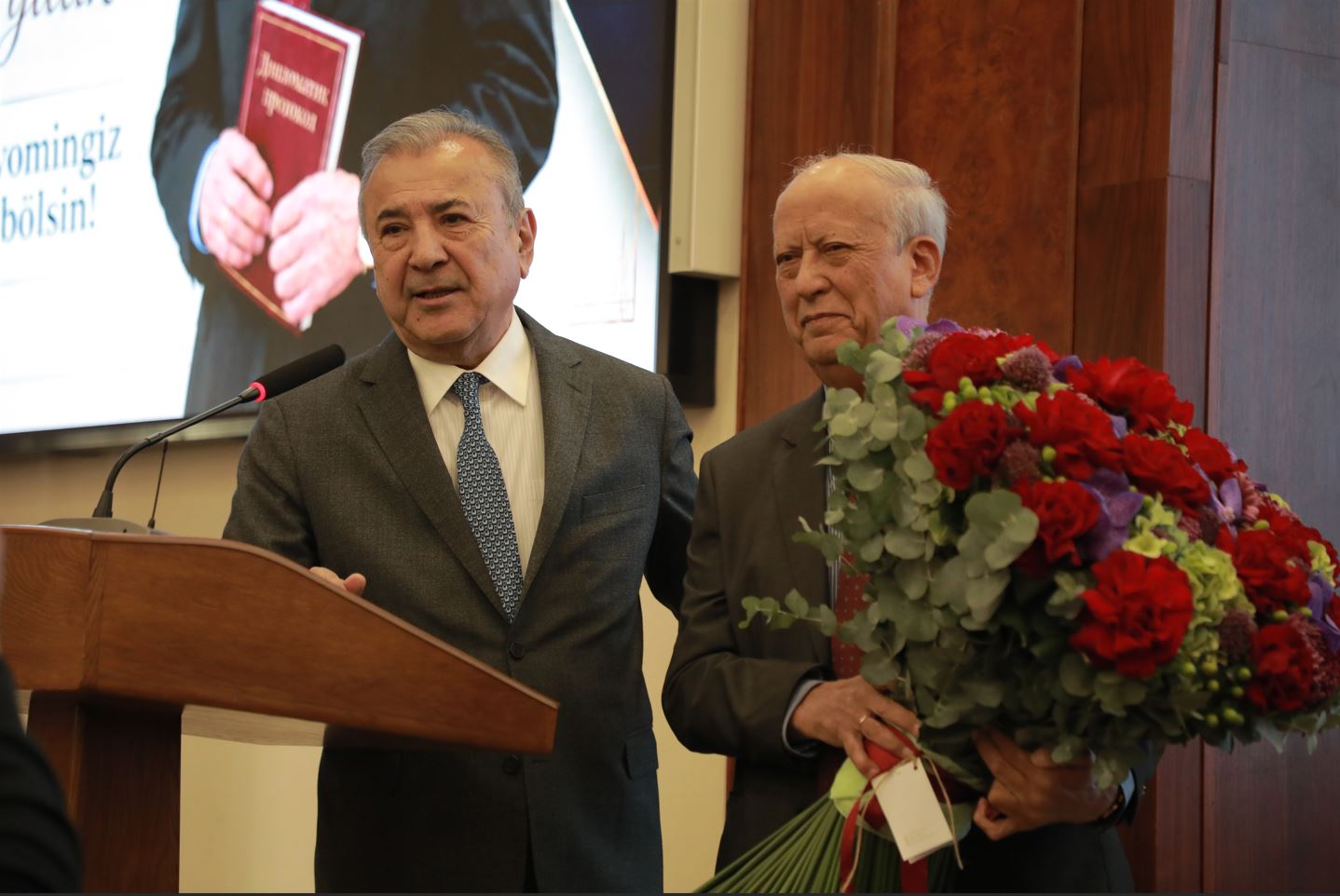
On February 14 of this year, a discussion “Multilateralism in a Fragmented Global Order” was held in Munich (Germany) within the framework of the 62nd Munich Security Conference, organized by the Nizami Ganjavi International Center (Azerbaijan). Among the key participants are Chairman of the Board of Directors of the Center for Islamic Studies of Saudi Arabia Turki Al-Faisal bin Abdulaziz Al Saud, UN Under-Secretary-General Miguel Angel Moratinos, UNCTAD Secretary-General Rebeca Grynspan and others. The Uzbek delegation was represented by the First Deputy Chairman of the Senate of the Oliy Majlis of the Republic of Uzbekistan, Rector of the University of World Economy and Diplomacy Sodyq Safoev and Director of the Institute for Strategic and Regional Studies E. Aripov. The discussion took place against the backdrop of the publication of the Munich Security Report 2026, which characterizes the world as being “in a state of destruction”. In this regard, Sodyq Safoev noted that Central Asia demonstrates a completely different trend. “If in the global system we hear more and more often about the disunity and paralysis of multilateral mechanisms, then in our region today the atmosphere of trust, interconnectedness and a common future is strengthening,” he stressed. According to him, in a fragmented world, it is the regions that can become new drivers of multilateralism. “Connectivity is no longer just an economic category. This is a security asset,” Safoev said, noting that transport, energy and humanitarian ties reduce the conflict potential and form a stable environment for cooperation. “If in the global system we hear more and more often about the disunity and paralysis of multilateral mechanisms, then in our region today the atmosphere of trust, interconnectedness and a common future is strengthening,” he stressed. According to him, in a fragmented world, it is the regions that can become new drivers of multilateralism. “Connectivity is no longer just an economic category. This is a security asset,” Safoev said, noting that transport, energy and humanitarian ties reduce the conflict potential and form a stable environment for cooperation. Special attention was paid to the expansion of the regional format through Azerbaijan's accession to the Consultative Meetings. “This is not a situational decision, but a reflection of the emerging new geopolitical reality,” he said, pointing to the strengthening of Uzbekistan's strategic partnership with Kazakhstan and Azerbaijan. The First Deputy Chairman of the Senate cited specific development indicators. In particular, the Middle Corridor has evolved from a technical project into a strategically important route linking Asia and Europe. The volume of Uzbekistan's foreign trade cargo transportation has doubled over the past five years and reached 1.2 million tons by the end of 2025. The share of cargo going to the European Union countries through the Middle Corridor increased from 12% in 2021 to 28% in 2025. S. Safoev highlighted the issue of investment needs for the full realization of the potential of the route. According to the European Bank for Reconstruction and Development, the modernization of the Trans-Caspian route requires about 18.5 billion euros. These funds are needed to rehabilitate railways and roads, expand rolling stock, increase port capacity, modernize border crossings, and create multimodal logistics hubs throughout Central Asia. The UWED Rector also stressed that for Uzbekistan, as a landlocked country, access to efficient transport corridors directly affects transport costs, export competitiveness and opportunities for diversification of trade partners. “This is not an option, but a strategic necessity,” he said. At the end of his speech, S. Safoev stressed that Central Asia is forming its own regional identity based on common interests and values. “Central Asia can and should become a bridge – a space for dialogue, not division,” the senator concluded, stressing that it is through connectivity and cooperation that the region contributes to strengthening a more sustainable international order.

300
A Comprehensive Seminar on the Prevention of Cardiovascular Diseases was Organized at the UWED

A Comprehensive Seminar on the Prevention of Cardiovascular Diseases was Organized at the UWED

On February 13 of the current year, a preventive seminar was organized at the University od World Economy and Diplomacy with the aim of preventing cardiovascular and cerebrovascular diseases, promoting a healthy lifestyle, and increasing medical awareness among the population. The seminar was attended by Nurullayeva Nargiza Mukhtarkhanovna, Doctor of Medical Sciences, Professor, and physician of the highest qualification category, who delivered a comprehensive lecture on the topic “The Role and Concept of Risk Factors in the Development of Cardiovascular Diseases. Principles of Prevention”.   During the lecture, the causes of cardiovascular diseases and the main risk factors contributing to their development were discussed in detail, including unhealthy diet, physical inactivity, stress, harmful habits, as well as the negative effects of high blood pressure and diabetes mellitus. In addition, the importance of maintaining a healthy lifestyle, increasing physical activity, following proper nutrition, undergoing regular medical check-ups, and ensuring early disease prevention was emphasized. During the seminar, participants received detailed answers from the specialist to their questions. This event contributes to the promotion of a healthy lifestyle within the educational institution, the early prevention of cardiovascular diseases, and the development of a healthy society.

197

Our partners

https://mgimo.ru/
https://www.undp.org/
https://www.berkeley.edu/
https://www.unibe.ch/index_eng.html
https://www.ox.ac.uk/
https://pennstatelaw.psu.edu/
https://www.wto.org/
https://www.columbia.edu/
https://www.gla.ac.uk/
https://www.wti.org/