Test Title

Test Title

    A Human Rights Master Class for Students of the University of World Economy and Diplomacy

    A Human Rights Master Class for Students of the University of World Economy and Diplomacy

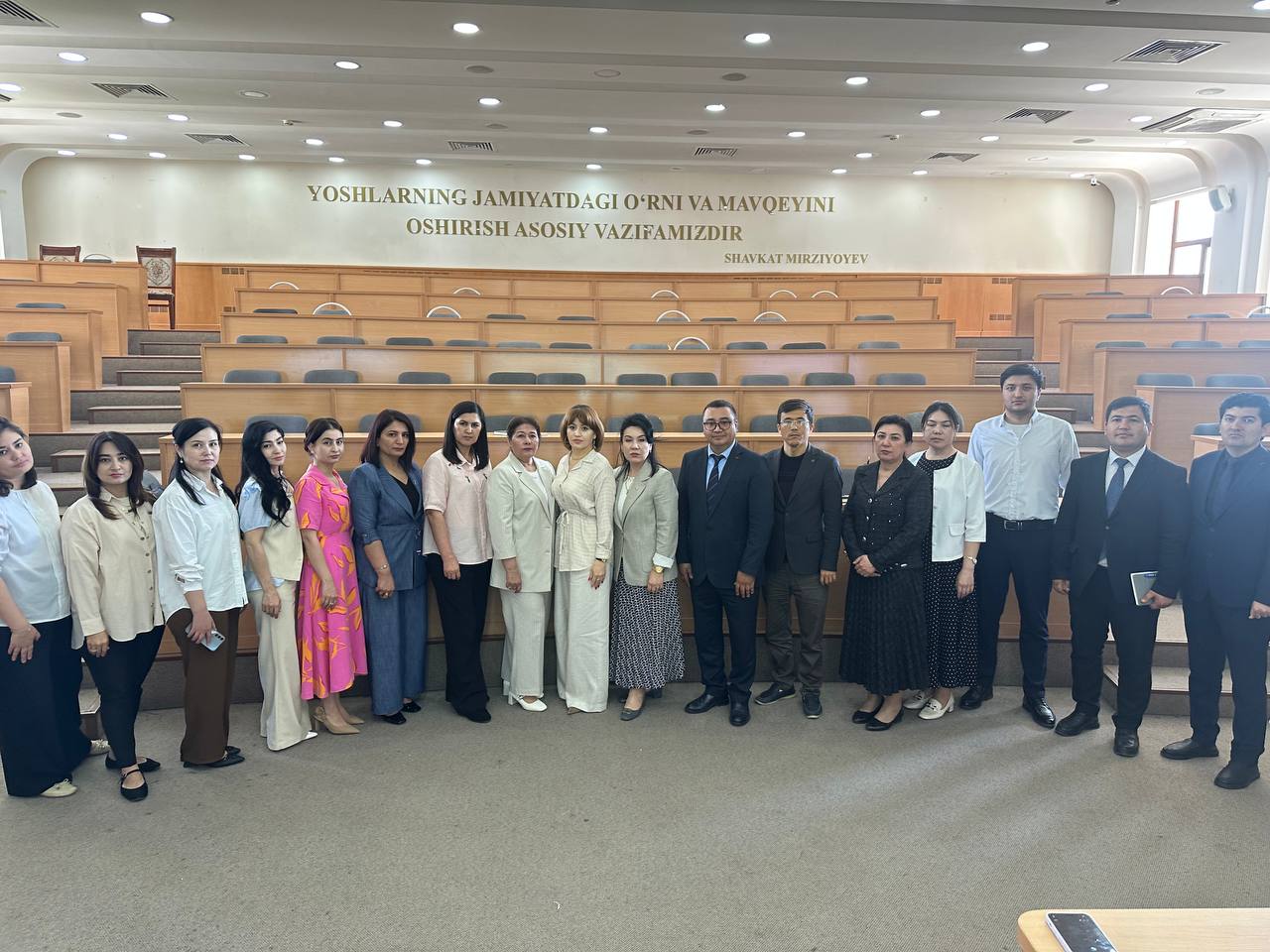
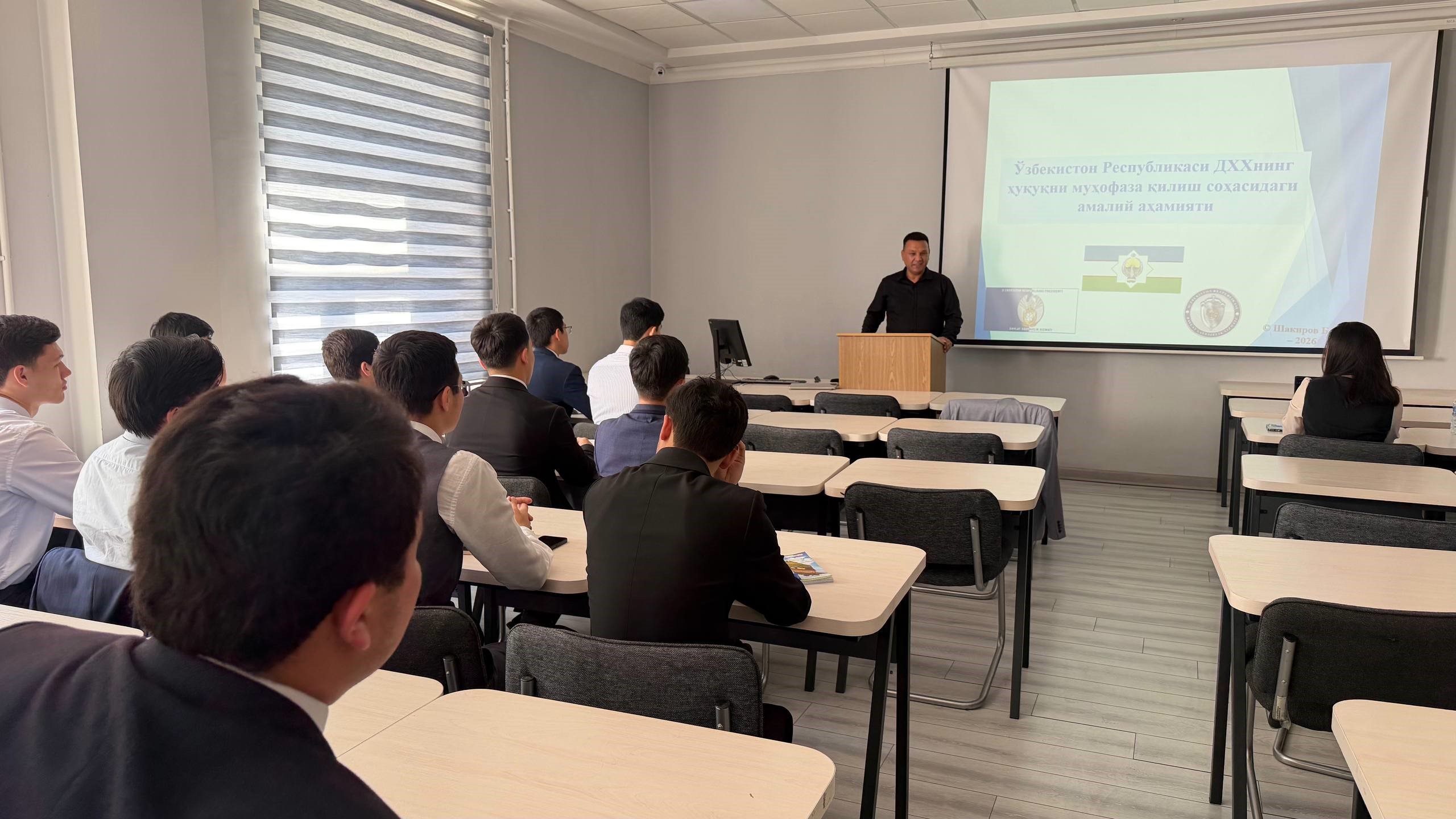
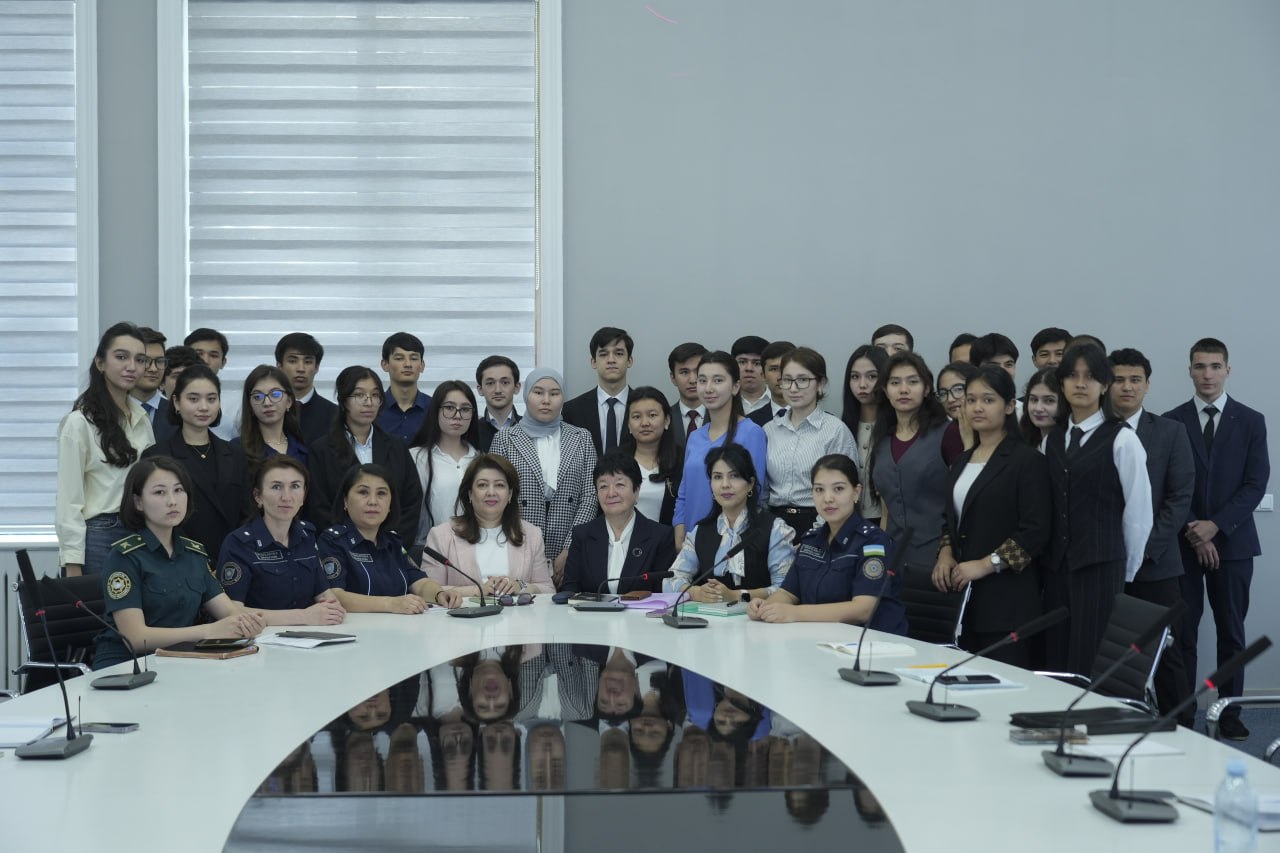
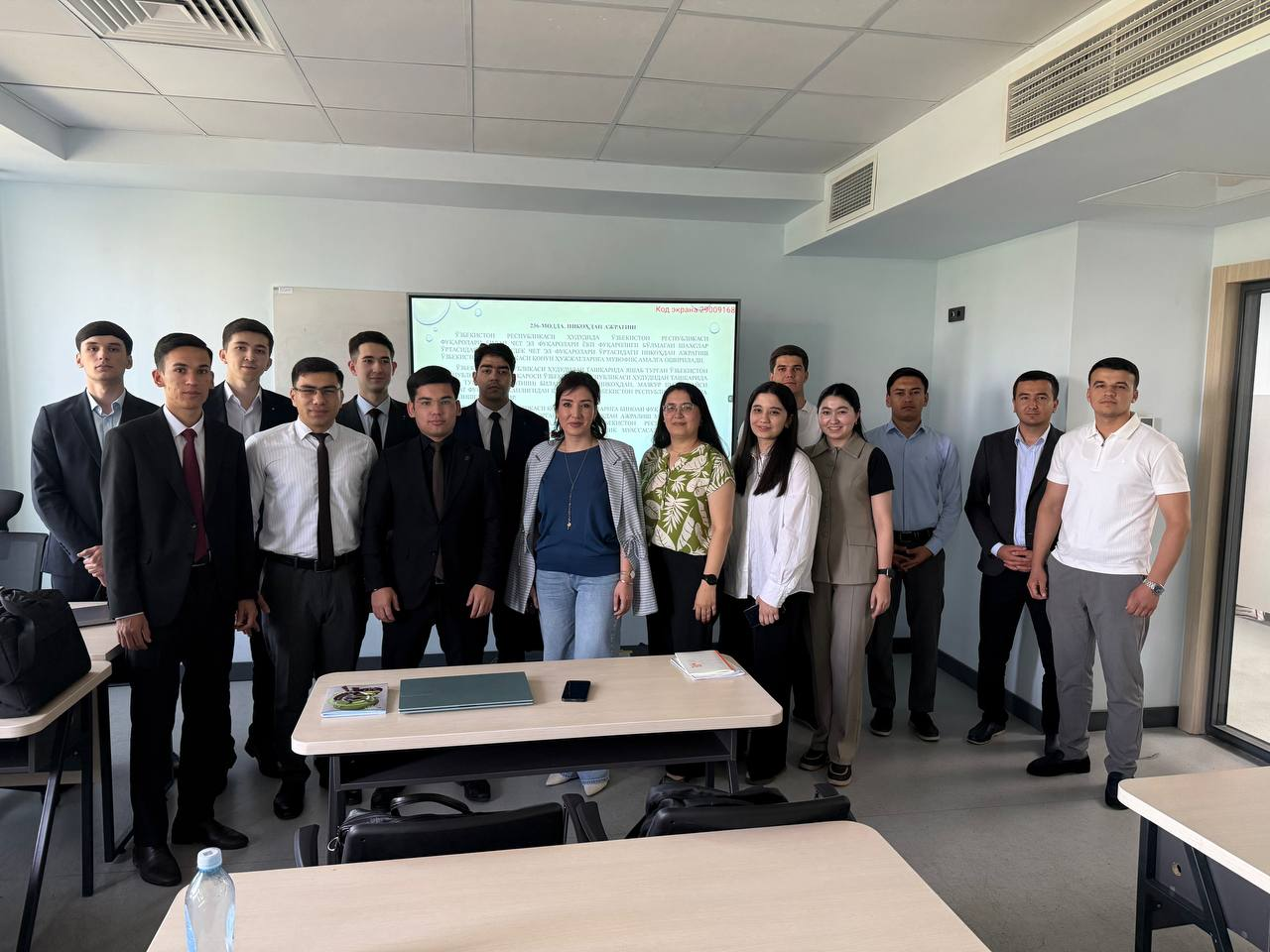
    On March 13 and on April 2, 2026, a master class was organized for third-year students of the Faculty of International Law at the University of World Economy and Diplomacy within the framework of the course “Human Rights.” The event was attended by Khusniddin Kholmamatov, Chief Specialist of the Analysis and Research Department on Human Rights, and Nodir Sultonov, Senior Specialist of the Department for the Implementation of International Treaties at the National Center for Human Rights of the Republic of Uzbekistan. During the master class, the national and international mechanisms for the protection of human rights were examined in detail, including their interrelation and practical application. Particular attention was given to contemporary trends in human rights protection, ongoing reforms in Uzbekistan, and their alignment with international standards. The session also addressed pressing issues in the field of human rights, including the effectiveness of protection mechanisms, challenges in institutional cooperation, and the importance of analytical and research work. The master class was conducted in an interactive format, with the specialists providing comprehensive answers to students’ questions, which further enhanced the practical relevance of the event. This master class contributed to strengthening students’ theoretical knowledge, developing their analytical thinking and practical skills, and broadening their understanding of current issues in the field of human rights.

    A meeting between a government official and youth was held on the topic “Challenges Facing Modern Youth”

    A meeting between a government official and youth was held on the topic “Challenges Facing Modern Youth”

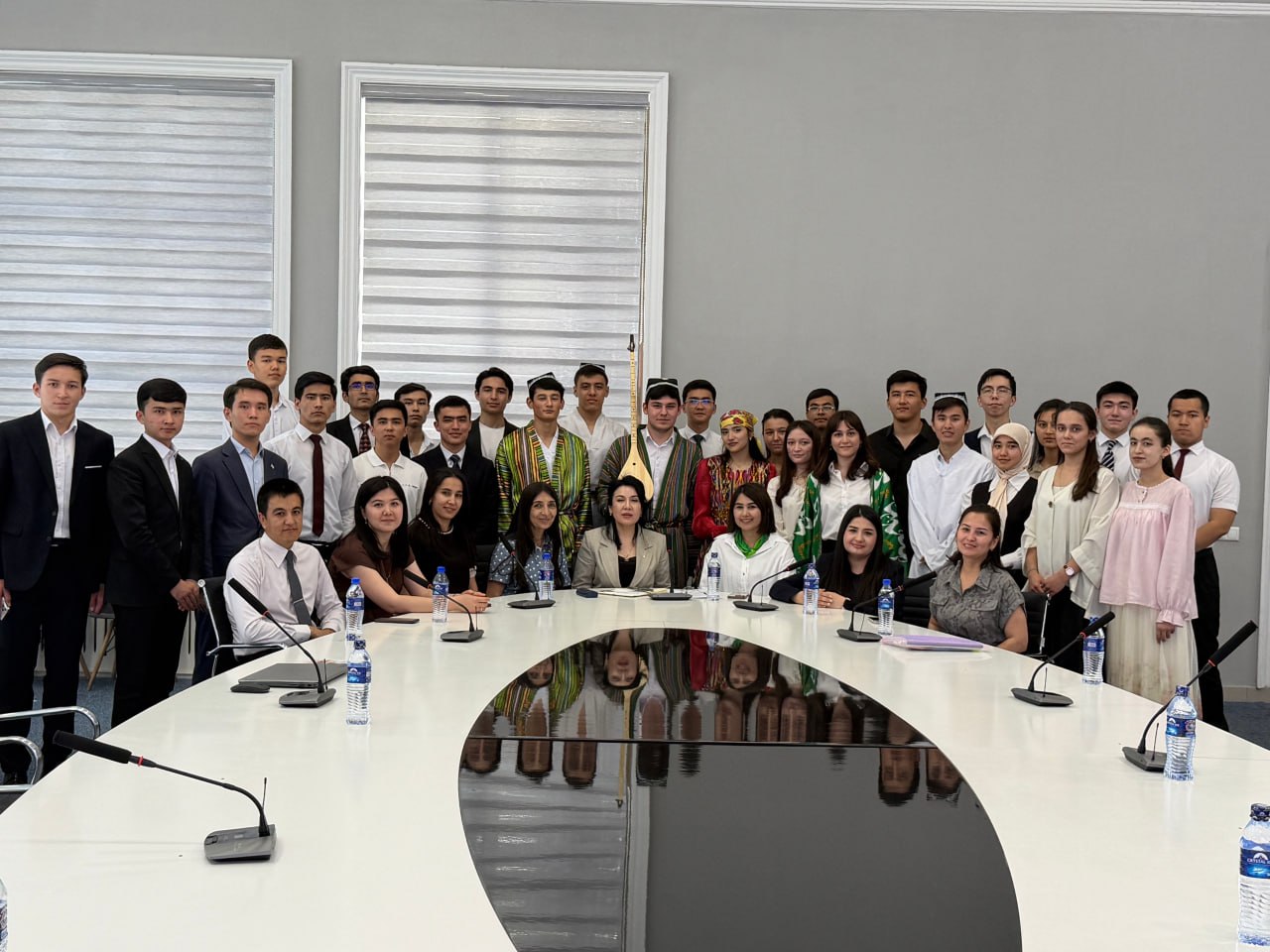
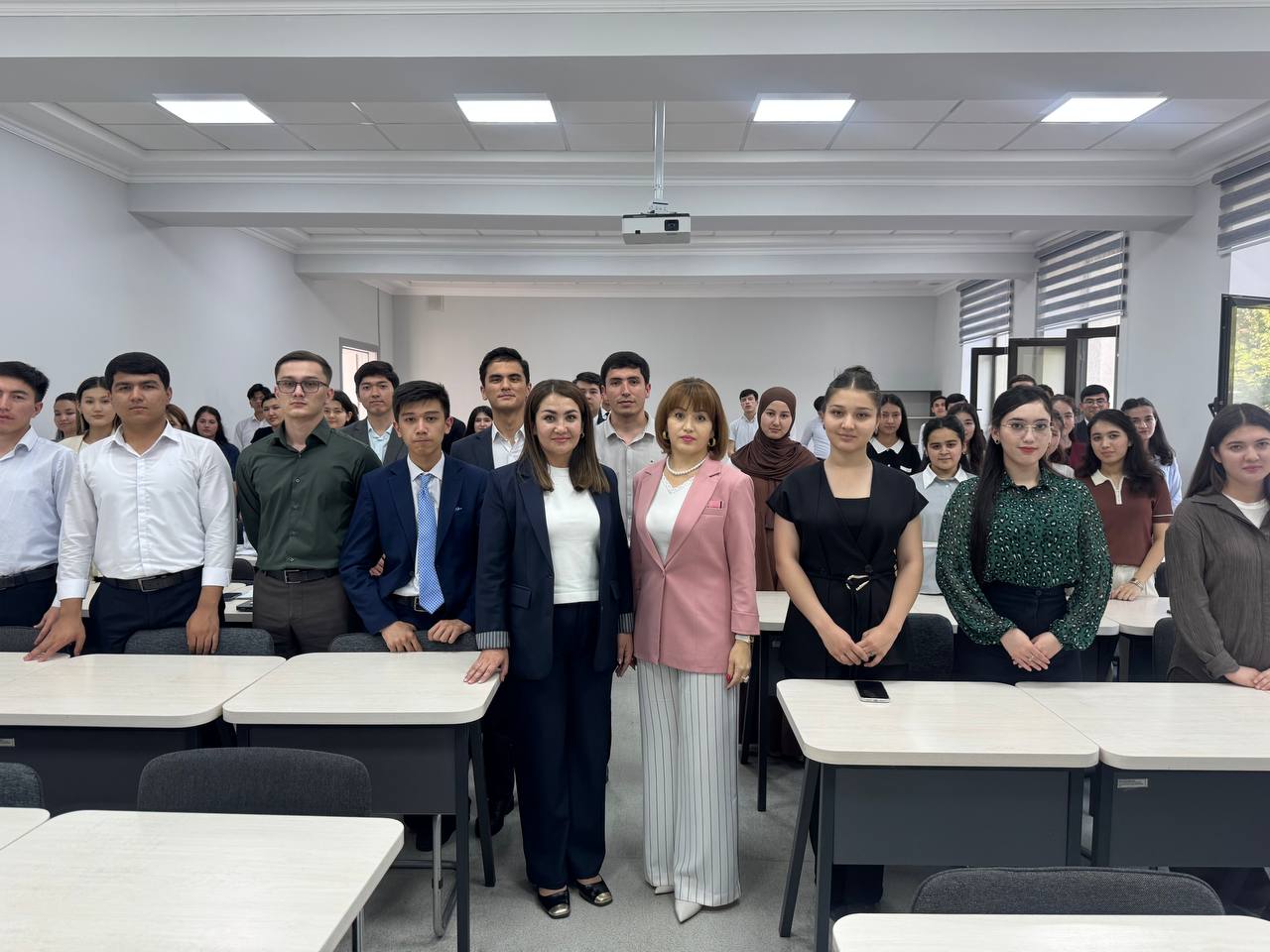
    On April 2 of this year, as part of the traditional weekly “Youth Day” held every Thursday, a round table was organized at the University of World Economy and Diplomacy. The event featured the participation of Sh. Shakirova, the Deputy Hokim of the Mirzo-Ulugbek district and Head of the Department for Family and Women's Affairs. The main objective of this event was to discuss the priority challenges facing young people today, to increase their socio-political engagement, and to raise awareness about the reforms being implemented in the educational, labor, and spiritual-enlightenment spheres. The Chairperson of the university's Women's Advisory Council and staff from the Youth Affairs Office also actively participated in the event. Speaking at the round table, Sh. Shakirova elaborated on the priority areas of state youth policy in our country, as well as the measures being taken to comprehensively support young people and protect their rights and interests. At the same time, she particularly emphasized the need for youth to master modern knowledge and skills, effectively use information technology, learn foreign languages, and develop the ability to think independently. During the event, students' opinions and suggestions were heard, and Sh. Shakirova provided comprehensive and well-reasoned answers to their questions. This fostered an atmosphere of open dialogue between the youth and the responsible official. At the conclusion of the round table, it was noted that a great responsibility is placed on young people today, and they need to set concrete goals for themselves while continually improving their knowledge and potential. It was also stressed that it is important for young people to make a worthy contribution to the development of society and to conduct their activities in a spirit of devotion to the Motherland. In conclusion, this event played an important role in broadening the horizons of young people, increasing their social activism, and strengthening their participation in the life of the state and society.

    An open dialogue on “Green Future: Environmental Diplomacy and Youth Initiative” was held in a spirit of broad discussion

    An open dialogue on “Green Future: Environmental Diplomacy and Youth Initiative” was held in a spirit of broad discussion

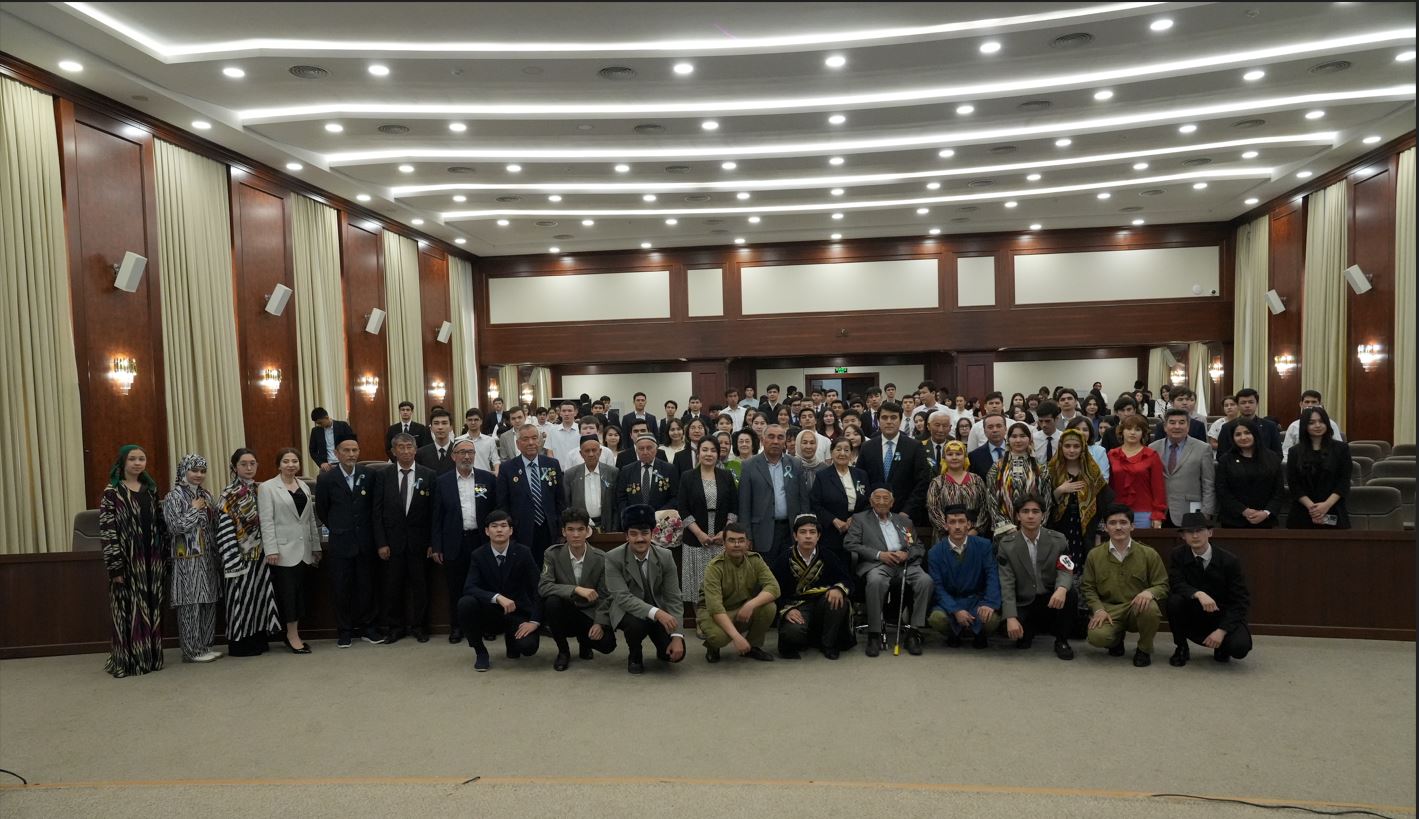
    On April 1, 2026, a high-level open dialogue titled “Green Future: Environmental Diplomacy and Youth Initiative” was organized at the University of World Economy and Diplomacy. The event was held in cooperation with the Ecological Party of Uzbekistan, the International Youth Environmental Committee, the Youth Parliament under the Legislative Chamber of the Oliy Majlis, and the Batareykalar.uz project. It was attended by students, experts, public activists, and environmental specialists. The event was opened with a welcoming speech by Odil Yusupjanov, the university's First Vice-Rector for Youth Affairs and Spiritual and Educational Work. In his speech, he emphasized that amid worsening global environmental problems, a crucial task is to raise the environmental awareness of young people and instill in them a sense of responsibility. He also noted that environmental diplomacy has now become an important area of interstate cooperation. Next, Bahriddin Turdievich Hofizov, Deputy Chairman of the Central Council of the Ecological Party of Uzbekistan, spoke in detail about the work being carried out in our country to advance environmental policy, implement the principles of a "green economy," and support youth initiatives. He placed special emphasis on the importance of expanding youth participation in environmental projects. During the event, a number of reports on important and timely topics were presented. In her presentation, Mohinur Ergash addressed the topic “Environmental Culture and Responsibility in the Media: The Role of Youth in Fostering Environmental Consciousness in Society”. She stressed the need for proper coverage of environmental issues in the modern information space, the prevention of fake news, and the promotion of environmental culture through youth activity on social media. The issue of responsibility in environmental journalism and content creation was also widely discussed. Lobarhon Jalolova, Chairperson of the International Youth Environmental Committee, delivered a presentation on "The Voice of Youth in the Global Environmental Arena: The Role and Strategic Goals of the International Youth Environmental Committee," noting that youth participation on the international stage is steadily increasing. She elaborated on the committee's activities, ongoing projects, mechanisms for international cooperation, and future strategic plans. The role of youth in resolving transboundary environmental problems was especially acknowledged. In his report, Feruzbek Sayfullayev covered the topic “A Small Battery, a Big Danger: How to Protect the Environment from 'Invisible' Poisoning”. He presented scientifically substantiated data on the negative impact of household waste, particularly used batteries, on soil and water resources. The need for proper battery disposal, the development of a separate collection system for them, and raising public awareness in this area was emphasized. The initiatives being implemented as part of the Batareykalar.uz project also generated significant interest among the participants. At the conclusion of the event, a question-and-answer session was organized for students and specialists. Participants expressed their opinions and suggestions on solving environmental problems, supporting youth initiatives, developing the volunteer movement, and implementing innovative “green” projects. During the open dialogue, initiatives put forward by students were supported, including proposals to introduce a university-wide waste sorting system, expand environmental campaigns, and strengthen environmental advocacy through media projects. This event once again demonstrated the inseparable link between environmental diplomacy, sustainable development, and youth initiatives. The open dialogue served to enhance the environmental knowledge of young people, promote their active involvement in solving global and local environmental problems, and foster effective cooperation between various organizations. Following the event, a commemorative photo was taken with all those present, and proposals were made to organize such meetings regularly in the future.

    A Lecture Was Held at the Constitutional Court of the Republic of Uzbekistan for Students of the University of World Economy and Diplomacy

    A Lecture Was Held at the Constitutional Court of the Republic of Uzbekistan for Students of the University of World Economy and Diplomacy

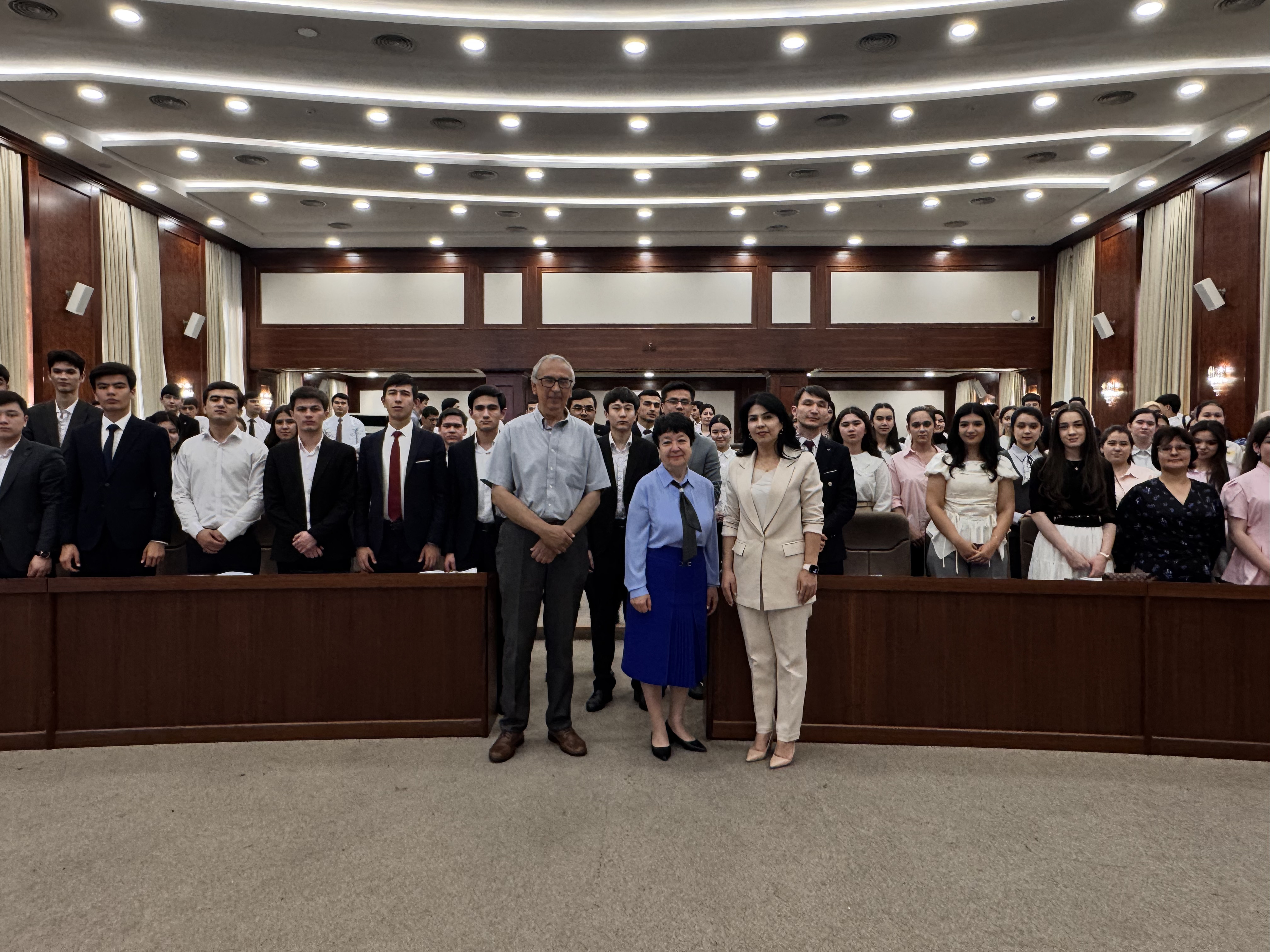
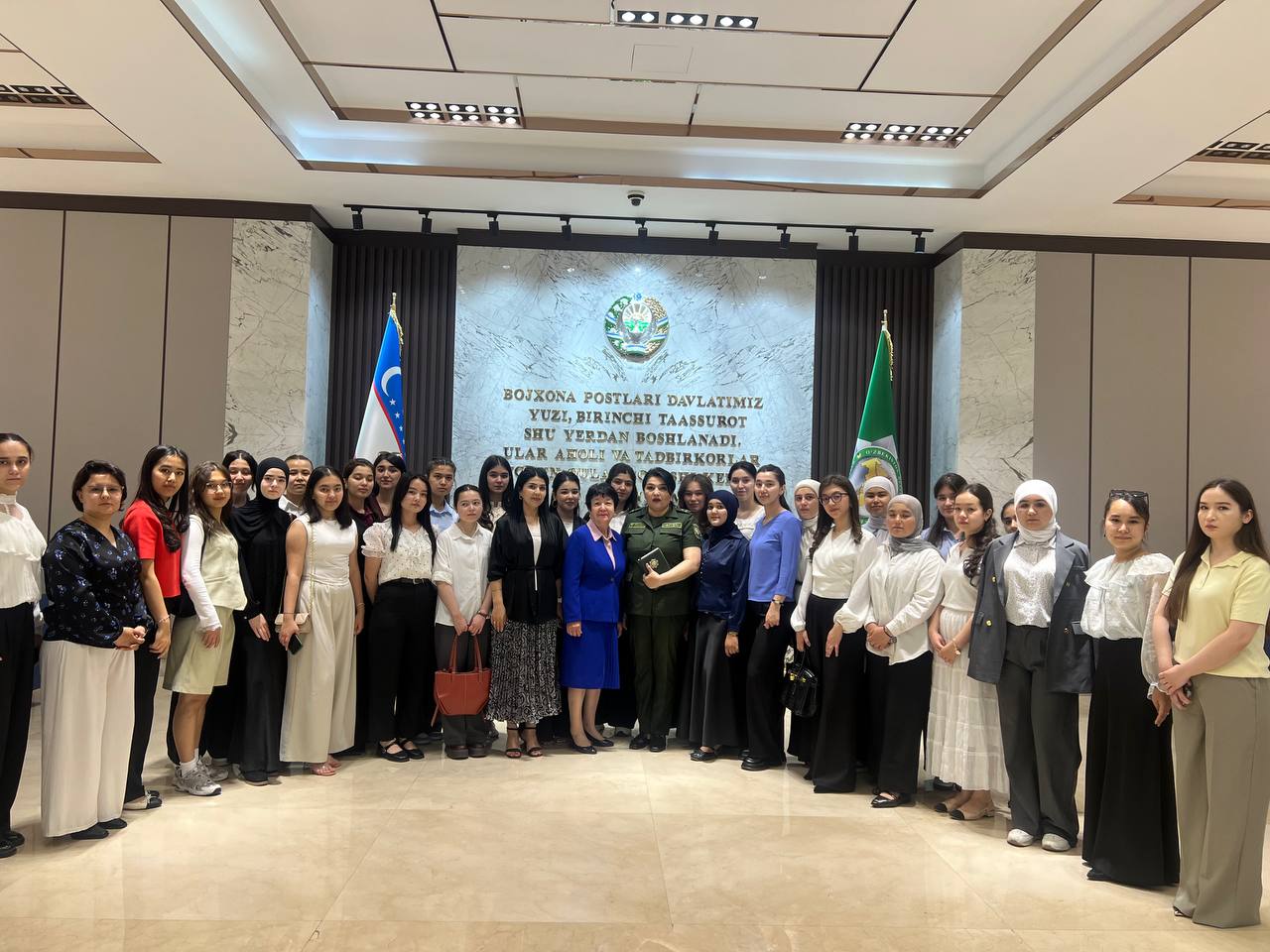
    On March 31, 2026, a lecture titled “The Constitutional Court in the Context of Constitutional Reforms” was held at the building of the Constitutional Court of the Republic of Uzbekistan for students of the University of World Economy and Diplomacy. The event was organized at the invitation of the Chairman of the Constitutional Court of the Republic of Uzbekistan, Mirzo-Ulugbek Elchiyevich Abdusalomov, within the framework of the “Constitutional Law” course by faculty members of the Department of International Law and Public Law Disciplines: PhD, Head of the Department Nargiza Kodirova, PhD, Associate Professor Zarina Isroilova, PhD, Associate Professor Shirin Hamdamova, as well as lecturers Nigina Azizova, Aziza Khallakova, and Durdona Muradova. The lecture was attended by first-year students of the Faculty of International Law and the department’s academic staff. During the lecture, the Chairman of the Constitutional Court, Honored Lawyer of the Republic of Uzbekistan, Honored Mentor of Youth, PhD in Law, Dr. Abdusalomov M.E., emphasized that such meetings with young people play a crucial role in shaping the legal thinking and professional culture of future lawyers. The event included discussions on the provisions of the new edition of the Constitution of the Republic of Uzbekistan, as well as the tasks arising from ongoing constitutional reforms. Special attention was given to the implementation of Presidential Decree No. PF-253 of December 18, 2025, “On Measures to Further Improve the Activities of the Constitutional Court of the Republic of Uzbekistan and Introduce Modern Digital Technologies”. Substantive presentations were delivered by Judge of the Constitutional Court, Candidate of Legal Sciences A. Rahmanov, on the topic “The Priority of Human Rights and the Expansion of the Powers of the Constitutional Court as a Requirement of the Time”, and by Head of the Department for the Analysis of Constitutional Legislation, Doctor of Legal Sciences, Professor Sh. Ruzinazarov, on the topic “Ensuring Constitutional Justice and Legality as the Foundation for the Development of a Social State”. Students received detailed information on the activities of the Constitutional Court, its functions and powers, the procedures for case consideration, and the significance of constitutional review in ensuring the supremacy of the Constitution and protecting citizens’ rights and freedoms. Particular attention was paid to constitutional reforms and their impact on the country’s legal system. The students expressed strong interest in the Court’s work and asked questions regarding citizens’ right to appeal to the Constitutional Court, the introduction of digital technologies and artificial intelligence into judicial processes, and the Court’s international cooperation with foreign institutions. The answers provided helped them gain a deeper understanding of the practical aspects of the highest body of constitutional review. The organization of this event strengthened the link between theoretical education and legal practice and contributed to developing a deeper understanding of future professional responsibilities among students. The University of World Economy and Diplomacy continues to actively promote practice-oriented education aimed at training highly qualified specialists in the field of law.

    The XVI traditional scientific and practical conference on the topic “Language Education and Translation Issues in Training Personnel for Foreign Policy and Foreign Economic Relations” was held at UWED

    The XVI traditional scientific and practical conference on the topic “Language Education and Translation Issues in Training Personnel for Foreign Policy and Foreign Economic Relations” was held at UWED

    On March 28, 2026, by the Department of Uzbek and Russian Languages and the Department of European and Turkic Languages at the University of World Economy and Diplomacy  was held the XVI traditional scientific and practical conference entitled “Language Education and Translation Issues in Training Personnel for Foreign Policy and Foreign Economic Relations”, devoted to language education, translation, and modern teaching methods. The conference was attended by faculty members of the University of World Economy and Diplomacy, as well as specialists from the Alisher Navoi Tashkent State University of Uzbek Language and Literature, Uzbekistan State World Languages University, Termez State University, and the Tashkent Institute of Irrigation and Agricultural Mechanization Engineers National Research University, along with doctoral candidates, independent researchers, young scholars conducting research within the conference theme and master’s students. The conference was organized with the aim of ensuring the implementation of the Resolution of the President of the Republic of Uzbekistan No. PQ-330 dated July 23, 2022, “On Measures for the Systematic Reform of the Activities of the University of World Economy and Diplomacy,” further advancing science at UWED, increasing the effectiveness of research activities, and continuously enhancing the scientific capacity of personnel involved in training qualified specialists for the foreign economic activity and foreign policy of the Republic of Uzbekistan. The event opened with welcoming remarks by Mehribon Abdurakhmanova, Head of the Department of Uzbek and Russian Languages, who highlighted the rich 16-year tradition of the conference. In her address, she emphasized that over the years this scientific meeting has become a unique school of experience at our university. M. Abdurakhmanova noted the importance of interdepartmental collaboration, stressing that language instruction and professional translation are an integral part of training future diplomats. She also proudly observed that the conference serves not only as a platform for experienced scholars but also as a space for open dialogue and the acquisition of new knowledge for young researchers in the field. Following this, U. Dustov, Head of the Office for Academic and Teaching Affairs, addressed the audience, emphasizing that the processes of globalization and rapid changes in the modern world impose significant responsibilities on representatives of the education system. He particularly underscored that contemporary personnel must possess not only fundamental theoretical knowledge but also skills in strategic thinking, digital diplomacy, and intercultural communication. During the conference, issues concerning the extensive integration of modern information and pedagogical technologies aligned with global standards into the educational process, as well as the enhancement of non-traditional and effective teaching methods, were discussed. Special attention was paid to the development of multilingual education in the context of globalization, modernization of translator training systems, the incorporation of simultaneous interpreting into curricula, and the expansion of research activities aimed at training highly qualified specialists in this field. In addition, the conference highlighted the urgent need for the effective integration of artificial intelligence technologies into the educational process, alongside the development of principles for their rational and targeted use. Particular emphasis was placed on ensuring academic integrity when using AI, guaranteeing data security, and employing AI as an auxiliary tool in teaching. Furthermore, theoretical and practical foundations for creating linguistic corpora, forming national language corpora, expanding their use in education and research, and developing and applying electronic resources and digital learning platforms were examined, with corresponding conclusions drawn for their practical implementation.

    UWED students visited the Greek National Cultural Center in Uzbekistan

    UWED students visited the Greek National Cultural Center in Uzbekistan

    On March 29, 2026, the students of the University of World Economy and Diplomacy visited the Greek National Cultural Center in Uzbekistan, located in Tashkent, together with the teachers of the English Language Department — Vokhidova N.N., Abdullayeva L.A., Muratova M.S., as well as Fulbright ETA program fellow Taylor Nauflett. They participated in a ceremonial event dedicated to Greek Independence Day. During the visit, the Chairman of the Center, Konstantinos Politis, warmly welcomed the guests and emphasized that the event was organized in celebration of Greek Independence Day. He also delivered an insightful presentation on the history of Hellenism in Central Asia, highlighting its influence on regional culture and language, as well as the processes of cultural exchange between peoples. The event was officially opened by the Ambassador of Greece to Uzbekistan, Paraskevi Tzevelek. The program featured performances of traditional Greek dances and songs, as well as recitations of patriotic poetry. In addition, the guests enjoyed the theatrical performance based on Homer’s Iliad, depicting the adventures of Odysseus. Throughout the visit, the students gained valuable insights into the development of Greek culture, its role in world civilization, and its national traditions. The meeting sparked great interest among the participants and further strengthened their appreciation and respect for other cultures. For many students, this was a first-time experience of engaging so closely with a different cultural environment. The visit significantly contributed to broadening their horizons, fostering intercultural dialogue, and enriching their overall cultural awareness.