Test Title

Test Title

    Theoretical and practical issues of franchise agreements discussed at UWED

    Theoretical and practical issues of franchise agreements discussed at UWED

    On April 7 of the current year a master class was held at the University of World Economy and Diplomacy, dedicated to one of the most promising areas of modern civil law – the topic “The Significance and Prospects for the Development of the Commercial Concession Agreement in the Civil Law of the Republic of Uzbekistan”. The event was organized by the Head of the Department of Civil Law and Private International Law Disciplines, Sherzodbek Masadykov and Professor of the Department, Nargiza Raimova, with the aim of enriching students’ knowledge in the fields of civil and intellectual property law through real case studies, as well as analyzing legal trends related to the entry of global brands into the national market. At the master class presentations were delivered by assistant lawyers from the law firm “Mirzo Ulug‘bek Advokatlari Hayati” – Zilola Sultanboyeva and Rushana Umurkulova. Alongside the faculty members, students of the Faculty of International Law actively participated in the event, discussing nuanced legal issues, particularly the granting of rights to use know-how and trademarks. During the session, through the prism of Chapter 50 of the Civil Code of the Republic of Uzbekistan, the concept of a franchise agreement, the specific procedures for its conclusion, as well as the mutual rights and obligations of the parties were comprehensively analyzed. This scientific and practical dialogue aligns with the Sustainable Development Goals, particularly Goal 8 – “Decent Work and Economic Growth” and Goal 9 – “Industry, Innovation and Infrastructure”. It was especially emphasized that the development of small and medium-sized businesses based on ready-made business models is an important factor of the country’s economic stability. At the conclusion of the event, it was noted that the principles of SDG Target 16.3 – “Ensuring the rule of law and equal access to justice” – are closely interconnected with entrepreneurial freedom and the inviolability of intellectual property. Such master classes contribute to developing a critical and analytical approach to modern contractual relations among future legal professionals.

    UWED Students Explored Monetary Policy Practice in a Meeting with a Central Bank Expert

    UWED Students Explored Monetary Policy Practice in a Meeting with a Central Bank Expert

    On April 6, 2026, the Department of International Economics at the University of World Economy and Diplomacy (UWED), within the framework of the “Macroeconomics” course, organized a master class for second-year students of the Faculty of International Economics and Management on the topic “Monetary Policy and Its Transmission Mechanism.” The session was delivered by Ruslan N. Yakovlev, Head of the Macroeconomic Modeling and Analysis Division of the Monetary Policy Department of the Central Bank of the Republic of Uzbekistan. During the master class, the objectives, instruments, and modern regimes of monetary policy were comprehensively discussed, along with the stages of development of monetary regulation in Uzbekistan. Particular attention was devoted to the transformation of the Central Bank’s policy following the liberalization of the foreign exchange market and the transition toward a more analytically grounded and forward-looking decision-making framework under inflation targeting. Students were provided with a valuable opportunity to examine the functioning of the monetary transmission mechanism, including how policy rate decisions influence inflation, the money market, and economic activity through credit channels, exchange rate channels, and inflation expectations. The Central Bank expert elaborated on the theoretical concepts and analytical approaches underlying policy decisions, emphasizing the critical role of macroeconomic forecasting in selecting appropriate monetary policy instruments. The students actively engaged in discussions, raising questions regarding the practical implementation of monetary policy and receiving comprehensive professional responses. The direct interaction with a Central Bank specialist contributed to reinforcing theoretical knowledge and deepening understanding of how monetary policy is conducted to ensure macroeconomic stability in the context of contemporary geo-economic challenges. The event constituted a significant contribution to enhancing students’ competencies in macroeconomic regulation and modern monetary policy instruments, while also strengthening cooperation between the academic community and the Central Bank of the Republic of Uzbekistan.

    Visit of future diplomats to the Republican Children's Psychoneurological Dispensary named after Kurbanov: a step towards achieving the SDGs through humanism and social inclusion

    Visit of future diplomats to the Republican Children's Psychoneurological Dispensary named after Kurbanov: a step towards achieving the SDGs through humanism and social inclusion

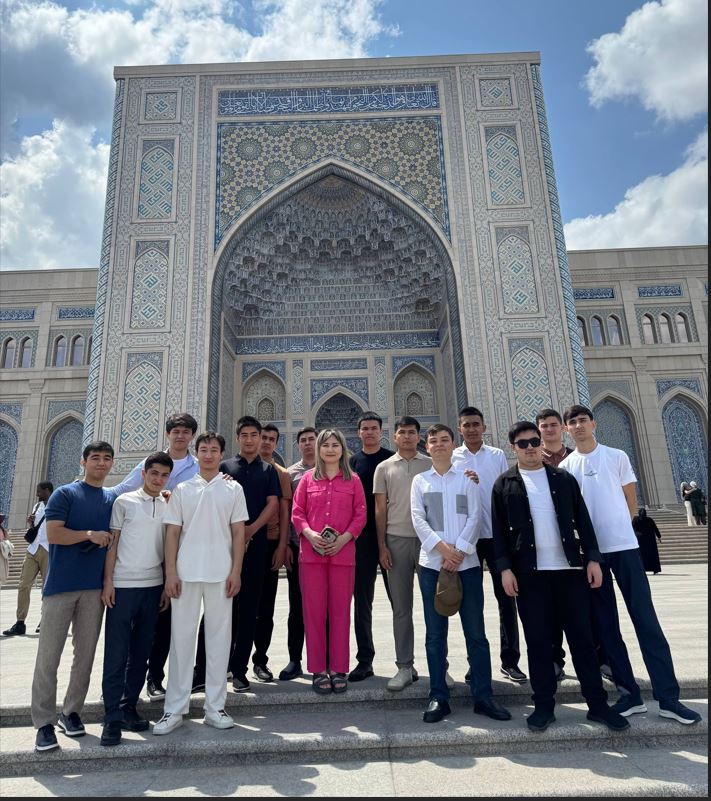
    2nd year students of the Faculty of International Relations of the University of World Economy and Diplomacy (UWED), under the guidance of German language teacher Umeda Istatovna Sultanova, visited the Republican Children's Psychoneurological Dispensary named after Kurbanov on a charitable mission. Within the walls of the dispensary, students plunged into a special atmosphere that required sensitivity and warmth. Young people were able to communicate directly with young patients, learn about their needs and the daily difficulties they face. As a sign of attention and support, the guests gave the children small but sincere gifts prepared in advance, trying to give them positive emotions, smiles and a sense of celebration. For future diplomats, whose professional activities will be inextricably linked with the global agenda, this visit became a clear practical lesson in implementing the UN Sustainable Development Goals (SDGs). This action is particularly relevant in the context of SDG 3 “Good health and well-being”, which is aimed at ensuring a healthy lifestyle and promoting well-being for everyone at any age, as well as SDG 10 “Reducing inequalities”, which implies empowering socially vulnerable groups of the population. This visit contributed to the formation in students of such key competencies of a 21st century diplomat as humanism, empathy, social responsibility and inclusive thinking. The University of World Economy and Diplomacy continues to integrate the principles of sustainable development into the educational process, proving that true diplomacy begins with a kind heart and a willingness to help one’s neighbor.

    A master class was conducted within the framework of the “Criminal Law” course on the topic “Counteracting the legalization of proceeds of crime and the financing of terrorism”

    A master class was conducted within the framework of the “Criminal Law” course on the topic “Counteracting the legalization of proceeds of crime and the financing of terrorism”

    On April 2, 2026, a master class was held at the University of World Economy and Diplomacy for second-year students of the Faculty of International Law as part of the “Criminal Law” discipline. The topic of the session was “Counteracting the Legalization of Proceeds of Crime and the Financing of Terrorism.” The event was organized under the supervision of lecturers D.B. Soliev and N.B. Uzakbaeva. The keynote speaker of the master class was Olga Nikolaevna Tisen, Rector of the Russian State University of Justice. During the master class, participants examined international legal standards in the field of anti-money laundering, as well as the activities of the Eurasian Group on Combating Money Laundering and Financing of Terrorism (EAG), a FATF-style regional body. Particular attention was paid to the legal qualification of offenses related to the legalization of criminal proceeds, practical case studies, typologies of financial crimes, and the role of law enforcement agencies and financial institutions within the AML/CFT framework. In addition, financial crimes involving cryptocurrencies were analyzed. For instance, widely used crypto-assets such as Bitcoin, Ethereum, Tether (USDT), and USD Coin (USDC) are frequently employed for the transfer and layering of illicit proceeds through multiple transactions. Crypto-assets often function as an intermediary tool for storing and transferring value derived from illegal activities. Due to the absence of centralized control, as well as the use of smart contracts, cryptocurrencies significantly complicate the identification of transaction participants and the detection of illicit financial flows. Participants were provided with a unique opportunity to engage directly with an expert, discuss current challenges in law enforcement practice, and explore advanced approaches to combating financial crimes. The event was aimed at enhancing the professional training of future legal practitioners and fostering the research potential of students in the fields of criminal law and financial security. Furthermore, the master class directly contributes to the achievement of the United Nations Sustainable Development Goals (SDGs), in particular: ensuring quality education (SDG 4) through the development of modern knowledge and practical competencies in AML/CFT; promoting innovation and digital technologies (SDG 9) by studying financial monitoring mechanisms, blockchain analytics, and other tools for detecting suspicious financial transactions; and strengthening peace, justice, and strong institutions (SDG 16) by improving the effectiveness of systems countering financial crime and enhancing transparency in financial and legal mechanisms. As a result, the conducted event holds significant importance for improving the effectiveness of the national AML/CFT system, advancing law enforcement practices, and integrating sustainable development principles into the activities of state authorities and financial institutions.

    A master class featuring a leading expert was held as part of a course on “Speech Culture and Public Speaking for Specialists”

    A master class featuring a leading expert was held as part of a course on “Speech Culture and Public Speaking for Specialists”

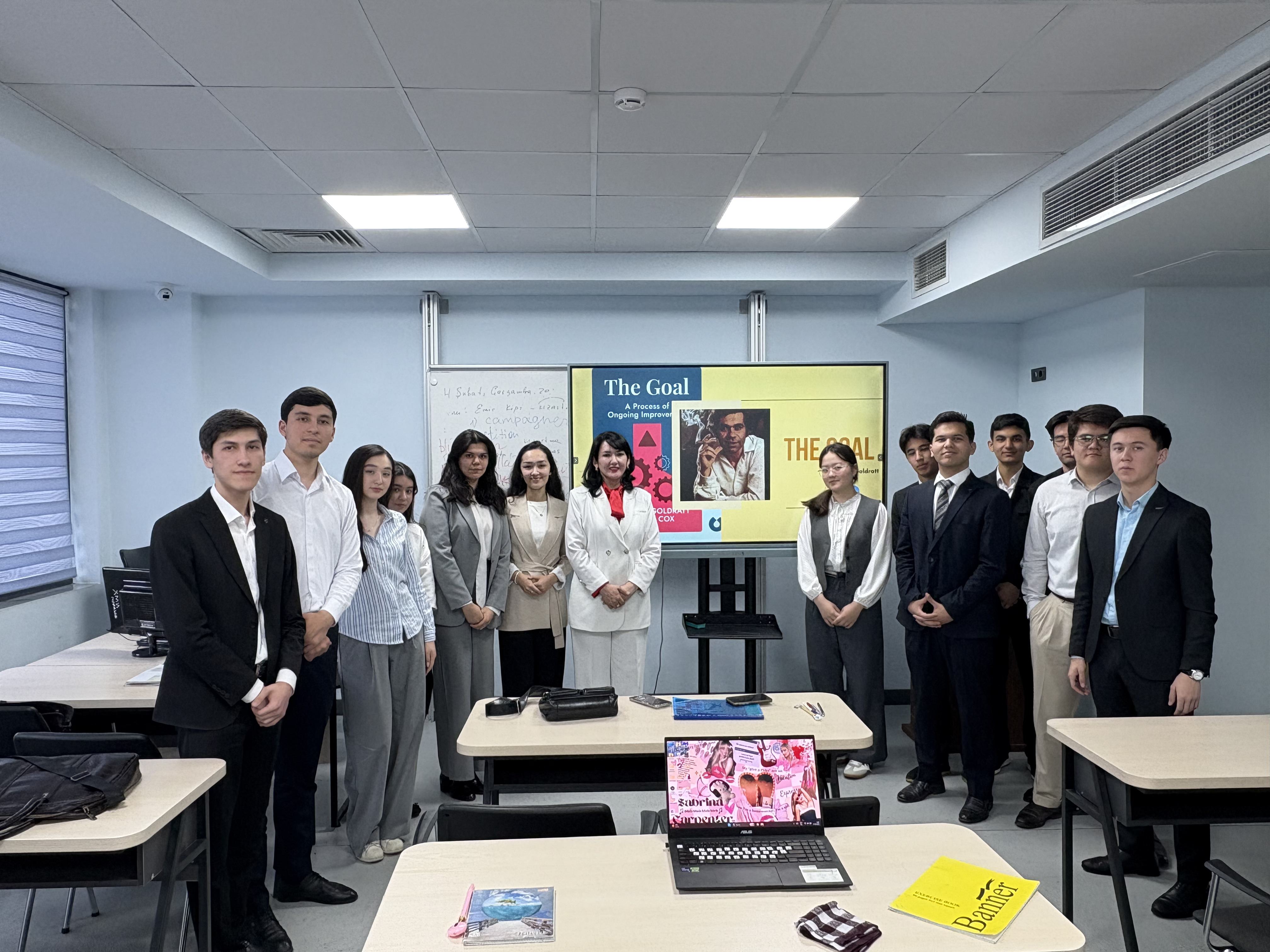
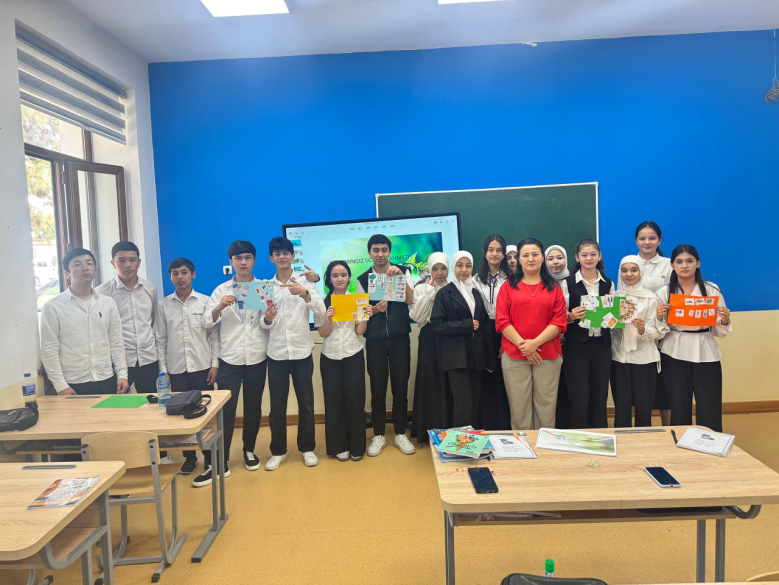
    Today, engaging leading experts in the educational process is the most effective way to ensure a balance between theory and practice, develop students' real professional skills, and improve the quality of education. This method increases students' interest in science, provides motivation, and enables them to acquire knowledge that meets modern requirements. Involving a leading expert in classes has several advantages: first and foremost, it allows for an exchange of practical experience, demonstrates real-life examples from their work (case studies), and demonstrates solutions to industrial problems. In this regard, in April of this year, at the initiative of the Department of Uzbek and Russian Languages, a master class was organized and held as part of a course on "Speech Culture and Public Speaking for Specialists" at the University of World Economy and Diplomacy. Nuriymon Abdurakhim Abulhasan, Lieutenant Colonel, served as a department head in the Main Directorate for Combating Terrorism and Extremism of the Ministry of Internal Affairs of Uzbekistan. He also served as Deputy Chairman of the Committee on Religious Affairs and Director of the Information and Analytical Center for the Study of Religious and Social Processes. Nuriymon Abulhasan graduated from the Tashkent Islamic Institute (1994) and Al-Azhar University in Egypt (1997). He held various positions in the Committee on Religious Affairs, the Presidential Executive Office, and the Ministry of Internal Affairs. He currently serves as Chairman of the Association of Non-Governmental Educational Institutions. During the master class, comprehensive information was provided on the harmony of motivation and inspiration, modern methods, and professional competence in public speaking. Nuriymon Abdurakhim Abulhasan shared information about his professional activities and spoke in detail to the students about a meeting with the descendants of the custodian of the keys of the Kaaba (hajib) in Mecca, about various important aspects of the position of head of the Committee on Religious Affairs, about religious oratory and its essence, and the requirements for public speaking. Interacting with a true industry leader instilled in the students a love and motivation for their profession. During the lecture, the students' attention was captured by interactive methods and engaging presentations. Such masterclasses enhance professional competence and help students develop differentiated learning and unique skills.

    Master class on the topic: “Methods of Detecting and Combating Crimes in the Field of Information Technologies”

    Master class on the topic: “Methods of Detecting and Combating Crimes in the Field of Information Technologies”

    On April 1 of the current year, a master class entitled “Methods of Detecting and Combating Crimes in the Field of Information Technologies” was organized at the University of World Economy and Diplomacy upon the initiative of First Vice-Rector for Youth Affairs and Spiritual-Educational Work, O. Yusupdjanov, for second-year students of the Faculty of International Law. The event was attended by field experts, including J. Narzullayev, Senior Lieutenant and Head of the Department for the Prevention of IT-related Crimes of the Mirzo-Ulugbek District Department for the Coordination of Internal Affairs Bodies, as well as D. Soliyev, Senior Lecturer at the Department of International Law and Public Law Disciplines. During the session, participants were provided with comprehensive insights into the types of cybercrime that are increasingly becoming a global challenge, their contemporary manifestations, as well as moral and psychological threats in the digital environment and their adverse impact on youth. In addition, students received practical guidance on ensuring cybersecurity, protecting personal data, using social media responsibly and securely, and preventing cybercrime. Within the framework of the master class, students developed practical skills in safeguarding their financial assets in the virtual environment and learned response algorithms in the event of cyberattacks targeting their personal accounts. The session was conducted in an interactive format, incorporating questions and answers and discussion elements, which enhanced student engagement. This initiative contributes to enhancing students’ knowledge and competencies in the field of information technologies, fostering legal awareness and cybersecurity culture, and preparing them for active participation in the development of a rule-of-law-based state. Furthermore, the master class is closely aligned with the Sustainable Development Goals (SDGs), particularly by promoting quality education (SDG 4) through the development of modern knowledge and practical competencies, strengthening innovation and digital infrastructure (SDG 9) by enhancing information security, and supporting peace, justice, and strong institutions (SDG 16) through raising legal awareness in combating cybercrime. As a result, this initiative plays a significant role in fostering a culture of digital security among youth, reinforcing the rule of law, and advancing the practical implementation of sustainable development principles.

    UWED representatives held a round table in the mahalla dedicated to the Sustainable Development Goals

    UWED representatives held a round table in the mahalla dedicated to the Sustainable Development Goals

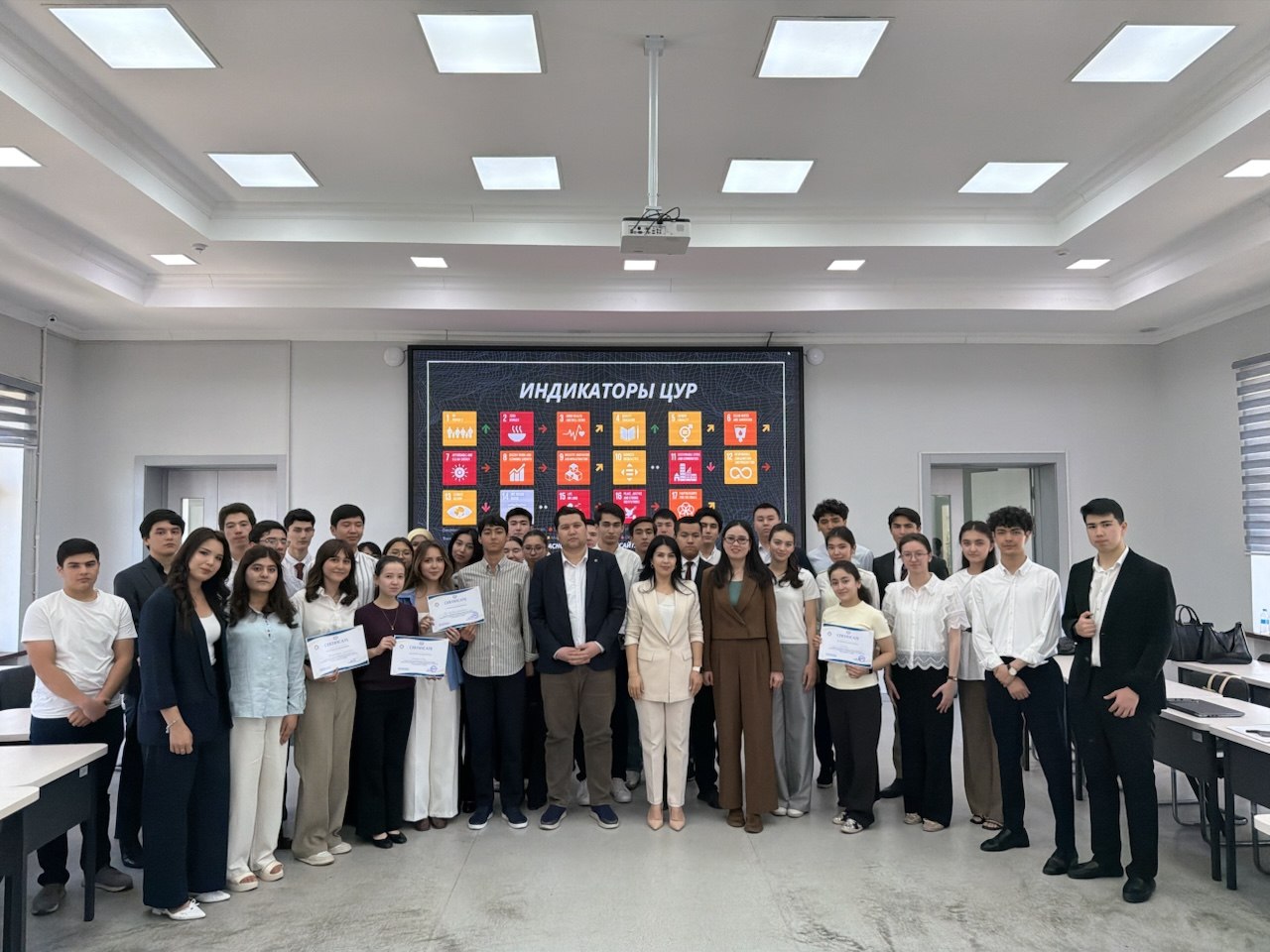
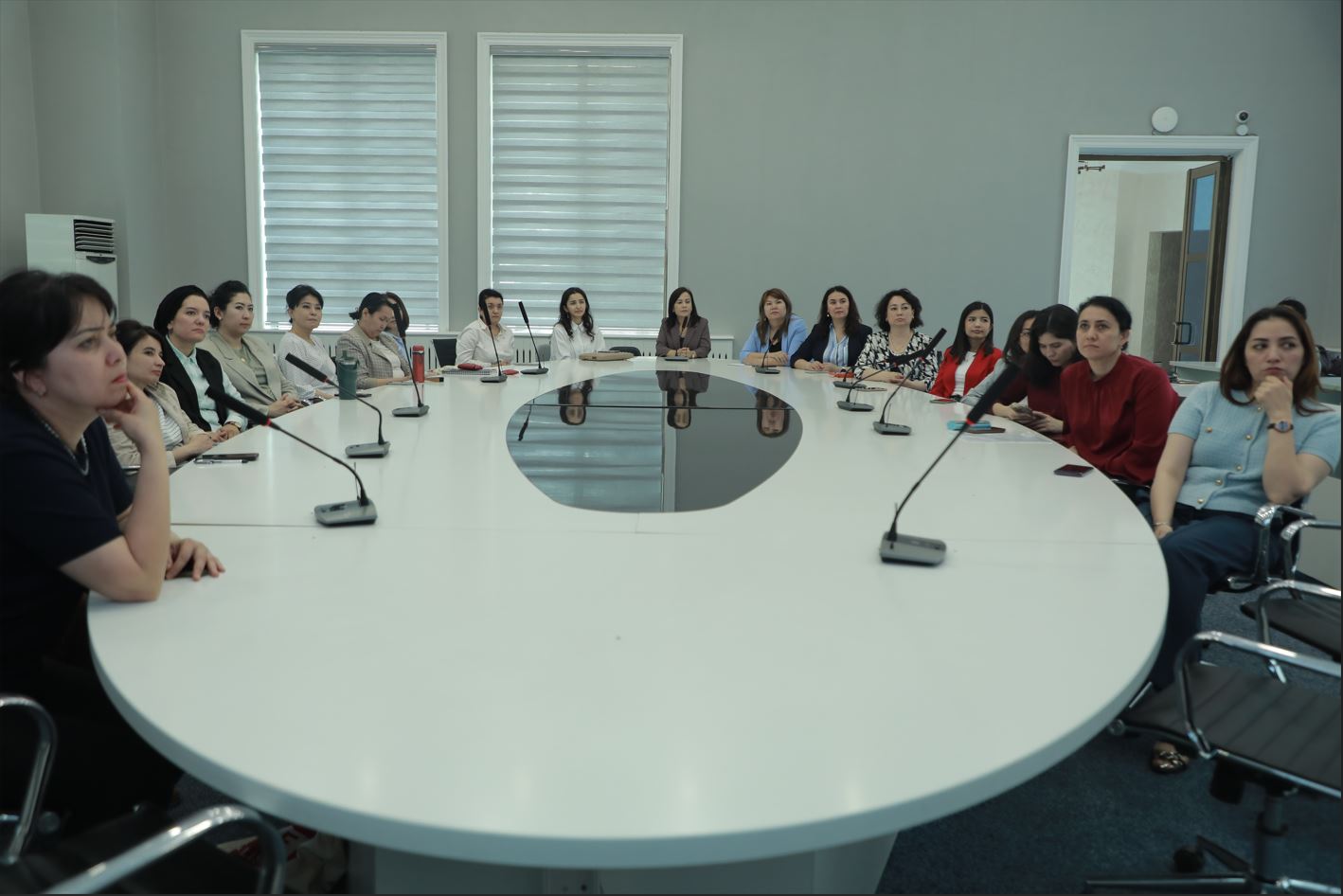
    On April 2, 2026, the teaching staff of the department of “International Finance and Investment” of the University of World Economy and Diplomacy visited the gathering of citizens of the “Pastki-Yuz” mahalla of the Mirzo-Ulugbek district of Tashkent and held a scientific and practical round table on the topic “Sustainable Development Goals (SDGs).” The main goal of the event was to widely explain the essence and significance of the SDGs among residents of the mahalla in harmony with the priority directions of national development, as well as to stimulate the active participation of citizens in socio-economic processes. During the round table, the conceptual foundations of the Sustainable Development Goals, their global and national significance, as well as their role in ensuring human well-being, protecting the environment and achieving sustainable economic growth until 2030 were covered in detail. The event focused on reducing poverty and hunger, expanding access to quality education, strengthening gender equality, promoting decent work and economic growth, developing innovation and infrastructure, ensuring environmental sustainability, and combating climate change. During the dialogue, reforms carried out in Uzbekistan were also considered inextricably linked with the SDGs. In particular, it was noted that work to develop human capital, improve the quality of education, expand the digital economy and electronic government services, improve the social protection system, and promote the principles of the “green economy” is an important component of the sustainable development agenda. Considering that the event took place shortly after the bright holiday of Navruz - a symbol of the renewal of nature, kindness and generosity - the participants especially emphasized that the ideas of harmony between man and the environment, embedded in the traditions of this holiday, are deeply in tune with modern principles of sustainable development. During an open dialogue with residents of the mahalla, practical mechanisms for sustainable development at the local level were discussed. In particular, proposals and considerations were made to improve environmental culture, rational use of energy and natural resources, broad involvement of youth in social and innovative initiatives, as well as strengthening public activity through support of local initiatives. The interactive format of the event further increased its practical significance.

    MASTER CLASS ON INHERITANCE LAW IN FOREIGN COUNTRIES

    MASTER CLASS ON INHERITANCE LAW IN FOREIGN COUNTRIES

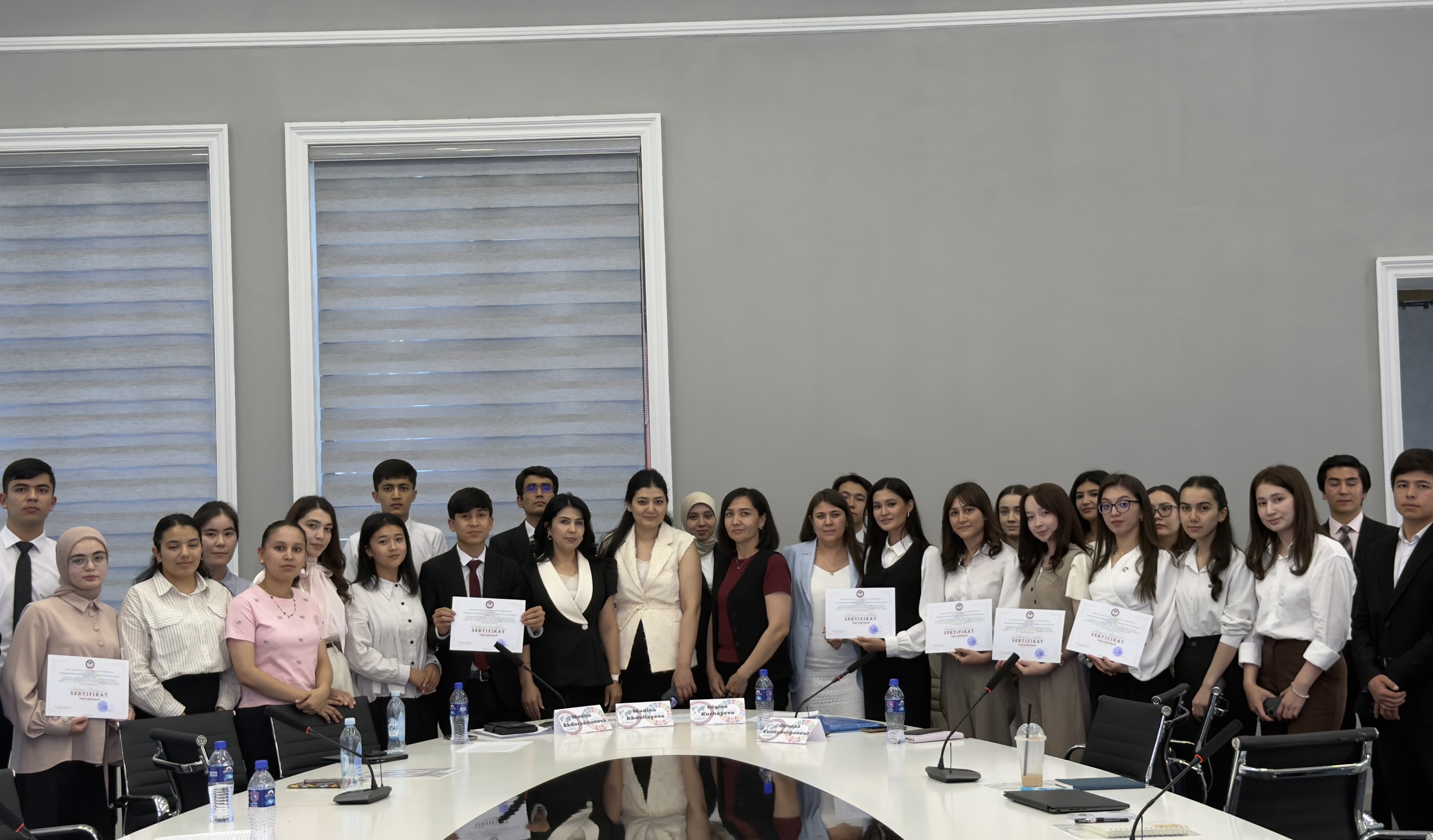
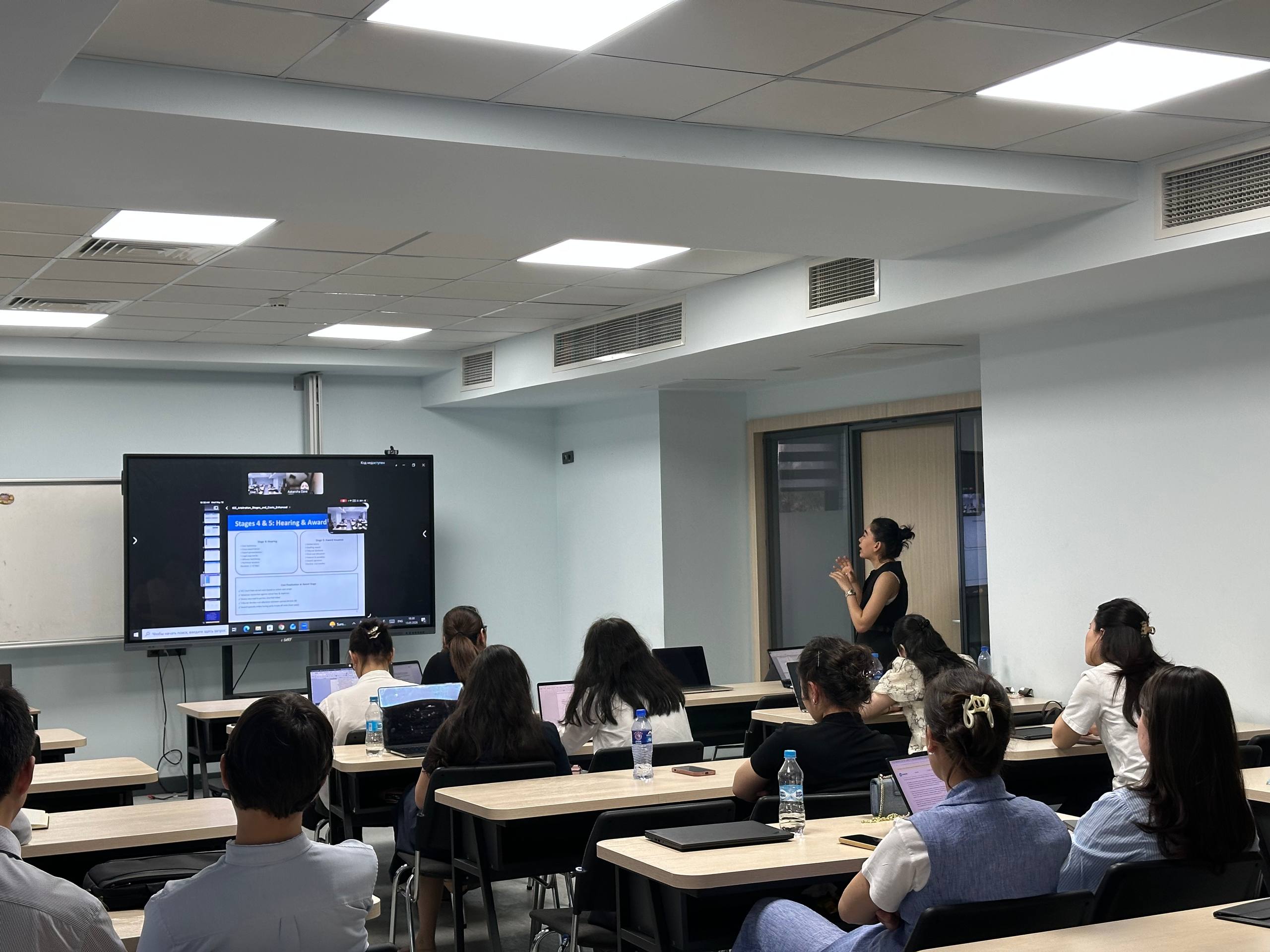
    On April 2 of the current year, a master class was held at the University of World Economy and Diplomacy for master’s students enrolled in the “International Commercial Arbitration and Dispute Resolution” program. The event was conducted within the course “Civil and Commercial Law of Foreign Countries” on the topic “Inheritance Law in Foreign Countries.” The master class was organized by Head of the Department of Civil Law and Private International Law Disciplines Masadikov Sherzodbek and Professor Imamova Dilfuza of the same department. Azizova Nigina, an experienced practitioner and specialist in the field of notarial practice and inheritance law, was invited to deliver the master class. During the masterclass, Nigina Azizova outlined the specific features of the legal regulation of inheritance matters in various foreign countries. The session covered issues relating to intestate succession and testamentary succession, including the formal requirements and validity of wills under different legal systems, as well as the procedure for accepting an inheritance. Particular attention was paid to the procedures for opening a succession, registering inheritance rights and the role of the notarial profession in these processes. In addition, Nigina Azizova shared her practical experience in the field of registering inheritance by will and highlighted the most common disputes arising in this area. The master’s students demonstrated strong interest in the topic, actively participated in discussions, raised questions related to the practical application of inheritance law, and received comprehensive and well-reasoned answers. The organization of this master class directly contributes to the implementation of United Nations Sustainable Development Goal 16, “Peace, Justice and Strong Institutions,” in particular Target 16.3 – promoting the rule of law and ensuring equal access to justice. The master class became a significant contribution to the development of academic dialogue, strengthening the link between theory and practice, and improving the educational process.